
Pregnancy brings a lot of new terms to learn, and gestational diabetes is one of the most common. At Sangini Hospital, our maternal care team — led by Dr Tapan Shah, Dr Harsh Maniar, and Dr Atish Shah — sees this diagnosis regularly, and knows how much reassurance goes a long way. This guide walks through what gestational diabetes actually means, who’s more likely to develop it, how it’s diagnosed, and how it’s managed, drawing on the same approach our doctors use with patients every day.
Gestational Diabetes
If you’ve just been told you need a glucose tolerance test, or you’ve already been diagnosed with gestational diabetes, take a breath first. This is one of the most common pregnancy complications there is, and it’s also one of the most manageable. In simple terms, gestational diabetes (GDM) is high blood sugar that shows up during pregnancy in women who never had diabetes before. It usually appears around the second or third trimester, it happens because of pregnancy hormones rather than anything you did wrong, and with the right care, it’s very possible to have a completely healthy pregnancy and delivery.
Who is at risk?
There isn’t one single cause you can point to, but a few things do raise the odds. Age is one of them — the risk climbs somewhat after 25, and more noticeably after 35. Carrying extra weight before pregnancy makes a difference too, since it affects how efficiently your body uses insulin. If a parent or sibling has type 2 diabetes, that family history counts against you slightly, and the same goes for PCOS, which often comes with some degree of insulin resistance even before pregnancy enters the picture.
Your own pregnancy history matters as well. Women who had gestational diabetes before, or who delivered a baby over 4 kg in an earlier pregnancy, are more likely to see it again. And certain populations, including South Asian women, have been shown in research to carry a higher baseline risk. None of this means GDM is inevitable if these apply to you — it just means it’s worth flagging to your obstetrician early, rather than waiting for the standard testing window.
Symptoms to watch for-
Here’s the tricky part: most women with gestational diabetes don’t feel any different at all. That’s exactly why the screening test exists — you can’t rely on symptoms to catch it. When signs do show up, they tend to look like ordinary pregnancy discomforts turned up a notch: more thirst than usual, needing the bathroom even more frequently, being unusually tired, blurry vision now and then, or getting recurring infections like UTIs. Because all of these can just be “pregnancy being pregnancy,” don’t try to self-diagnose based on how you feel. The blood test is what actually tells you one way or the other.
How it’s diagnosed
Most women get screened somewhere between 24 and 28 weeks. If you’ve got risk factors, though, your doctor may test you earlier — sometimes even at your very first prenatal visit.
The test itself is called the Oral Glucose Tolerance Test, or OGTT. You’ll drink a glucose solution (usually 75g), and your blood sugar gets checked before you drink it and then again at intervals afterward, typically at one hour and two hours.
The numbers doctors generally look for are:
| When it’s measured |
Blood sugar level
|
| Fasting (before the drink) |
92 mg/dL or higher
|
| 1 hour after |
180 mg/dL or higher
|
| 2 hours after |
153 mg/dL or higher
|
If even one of these comes back high, that’s enough for a diagnosis. Keep in mind different hospitals sometimes use slightly different protocols (a one-step versus two-step approach), so your own results should always be read in context by your doctor rather than compared directly against numbers you find online.
Risks if untreated
This is the part that understandably worries people, so it’s worth being upfront about it. For the mother, unmanaged gestational diabetes raises the chances of pre-eclampsia, increases the likelihood of needing a C-section, and leaves a higher long-term risk of developing type 2 diabetes down the line.
For the baby, the concerns are a bit different. Sustained high blood sugar in the mother often means the baby grows larger than usual (a condition called macrosomia), which can complicate labor. There’s also a higher chance of preterm birth, and right after delivery, the baby’s blood sugar can dip low since their body adjusted to higher glucose levels in the womb. Jaundice is more common too, and over the long run, these babies carry a somewhat elevated risk of obesity and type 2 diabetes themselves.
The good news, and it’s a genuine piece of good news: almost all of these risks drop sharply once blood sugar is brought under control. This isn’t a diagnosis that dooms an outcome — it’s one that responds well to consistent management.
Managing It, Day to Day
For most women, gestational diabetes doesn’t require medication at all — diet and activity changes are enough to keep things in range.
On the food side, that usually means balanced meals with carbohydrates portioned out sensibly across the day rather than loaded into one or two big meals. Whole grains and legumes tend to work better than refined flour or sugar, and getting enough protein and fiber slows down how quickly glucose enters your bloodstream. Smaller, more frequent meals often work better than three large ones.
Movement helps too. Even a 30-minute walk most days, or prenatal yoga, can meaningfully improve how your body uses insulin — just check with your doctor before starting anything new.
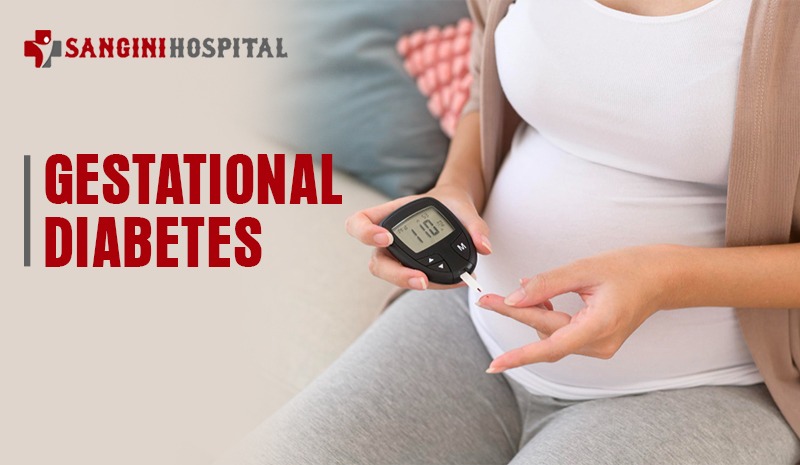
You’ll also be asked to monitor your own blood sugar with a glucometer, usually a few times a day, fasting and after meals, and keep a log to bring to your appointments. It sounds tedious at first, but most women get used to the routine within a week or two.
If diet and activity alone aren’t bringing your numbers down enough, insulin is the go-to treatment during pregnancy — it doesn’t cross the placenta, so it’s considered safe for the baby. In some cases, doctors may also consider oral medications like metformin, depending on individual circumstances. Either way, this isn’t a failure on your part; some women simply need that extra support, and it works well alongside everything else.
Does it go away after delivery? Long-term Type 2 diabetes risk
For the majority of women, yes — blood sugar returns to normal fairly quickly once the placenta is delivered, since that’s what was driving the hormonal shift in the first place.
But it’s worth thinking of gestational diabetes as more of a signal than a one-time event. Studies suggest that up to half of women who’ve had GDM go on to develop type 2 diabetes within 5 to 10 years if nothing changes afterward. That’s why doctors recommend a follow-up glucose test 6 to 12 weeks after delivery, just to confirm everything’s back to normal, along with yearly screening after that. Keeping up a healthy weight, a reasonable diet, and regular movement in the years that follow makes a real, measurable difference to that long-term risk.
In a way, this diagnosis hands you useful information early — a chance to act on your metabolic health well before it becomes a bigger problem.
How Sangini Hospital Approaches GDM Care
At Sangini Hospital, gestational diabetes screening isn’t treated as an afterthought — it’s built into prenatal care from the start. That begins with an early risk assessment at your first visit, so women who might need testing earlier than the standard 24–28 week window aren’t missed. Everyone else follows the standard OGTT screening in that window, in line with established obstetric guidelines.
From there, care tends to be a team effort — your obstetrician working alongside a dietitian for personalized meal guidance, and an endocrinologist brought in if insulin therapy becomes necessary. Blood sugar logs get reviewed at each prenatal visit, so adjustments happen quickly rather than waiting for the next big milestone appointment. And care doesn’t stop at delivery — postpartum follow-up, including the recommended glucose test, is part of the plan, along with guidance on lowering your long-term diabetes risk.
If you’d like a personalized risk assessment or want to schedule your glucose tolerance test, your obstetrician at Sangini Hospital can walk you through next steps.
Frequently Asked Questions
What causes gestational diabetes?
It comes down to hormones. During pregnancy, the placenta produces hormones that make your cells more resistant to insulin. Normally, the pancreas just produces more insulin to compensate — but in some women, it can’t keep up, and blood sugar rises as a result.
Is gestational diabetes dangerous for the baby?
Left untreated, it can lead to a larger-than-average baby, preterm birth, low blood sugar right after birth, and a higher long-term risk of obesity and type 2 diabetes for the child. With proper management, though, these risks drop substantially, and most babies born to mothers with well-controlled GDM are perfectly healthy.
Can gestational diabetes be controlled without insulin?
In most cases, yes. Diet changes, regular activity, and blood sugar monitoring are enough for the majority of women. Insulin, or occasionally an oral medication, only comes into play if those measures aren’t keeping blood sugar in range on their own.
Does gestational diabetes mean I’ll get Type 2 diabetes later?
Not necessarily — but it does raise the odds. Women who’ve had gestational diabetes face a meaningfully higher risk of type 2 diabetes in the years afterward. A postpartum glucose check, plus keeping up healthy habits, goes a long way toward lowering that risk.